
The Society for One-Place Studies is a leading organisation dedicated to supporting One-Placers worldwide.





Landmarks are odd things, really. You initially think they are something physical, fixed, defined in space, available to all and experienced much the same by all. But what they define is more ephemeral – they define movement, they define emotion. They are the blackened tree, split by lightening decades ago, standing in the field you pass by, signalling you've completed the city part of your trip and are now entering the rural portion. They are the "humpty bridges", giving your children a brief moment of fun to look forward to during the journey as the car flies just a little bit too fast over them – not quite airborne because you’re a responsible driver but enough that you get the physical sensation of taking off. They are the farm gate that indicates you're nearly home.
This is why identifying your #OnePlaceLandmarks is actually pretty difficult if you don't live, and have never lived, in your place. You haven't approached your place over and over and over in all different seasons at all different ages from all different angles, so you just don't know what actually is a landmark for your place's residents. Sure, you can speculate about particular built or natural features that seem like they'd be a marker, but you don’t have the emotional connection or the layers of memories that really mark out something as a landmark.
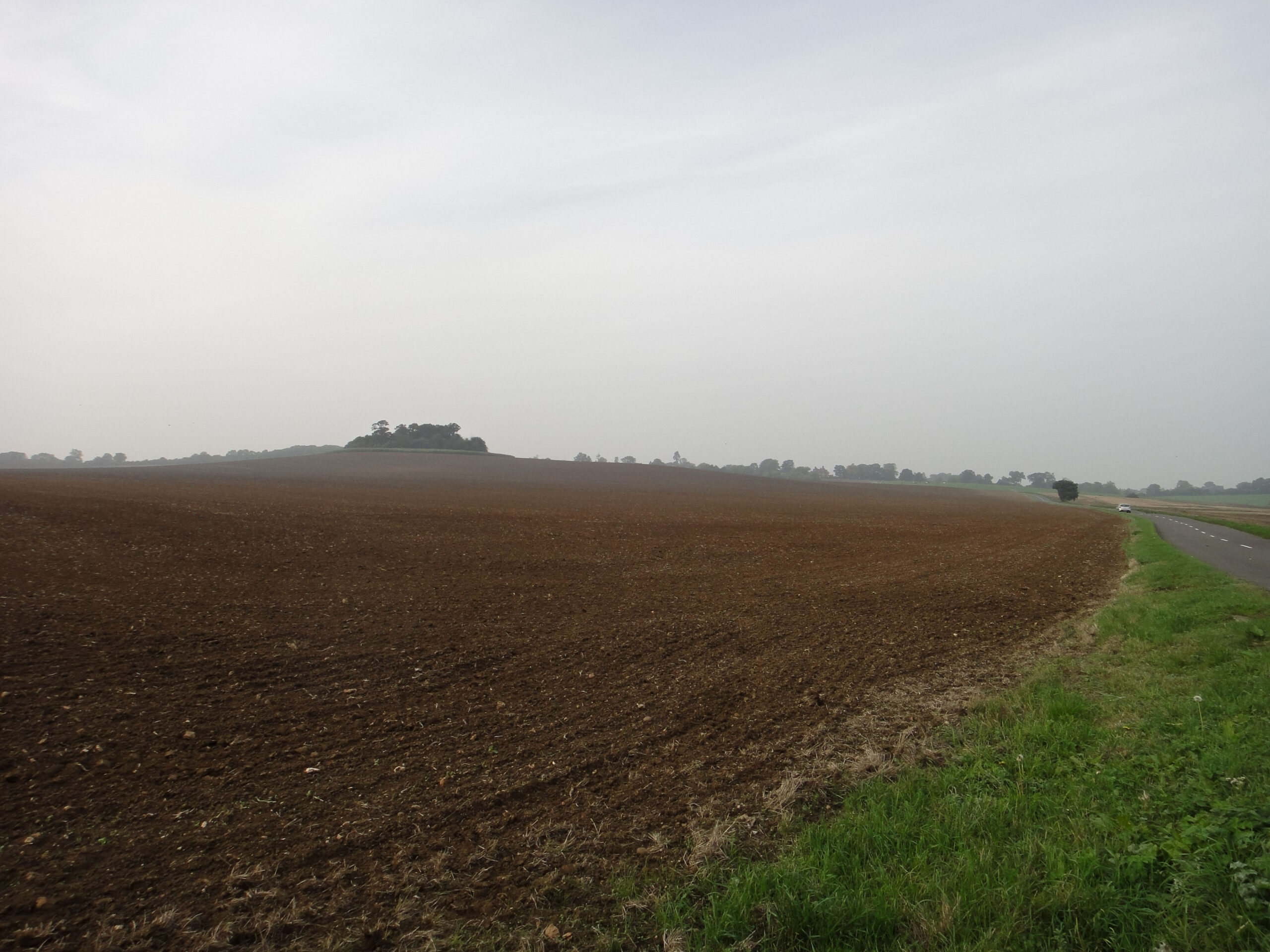
Here's a thing that seems to me that it might be a landmark for my place of Wing in Buckinghamshire. This is (a terrible photo of) Wingpark Clump. It’s a clump of trees in a field just to the south of the village, and if you’re approaching from the south it would be the visible thing that, once you can see it, you know you’re nearly there. You’re almost home. Just that last climb up the hill to go.
Alex Coles
The Society for One-Place Studies is a leading organisation dedicated to supporting One-Placers worldwide.